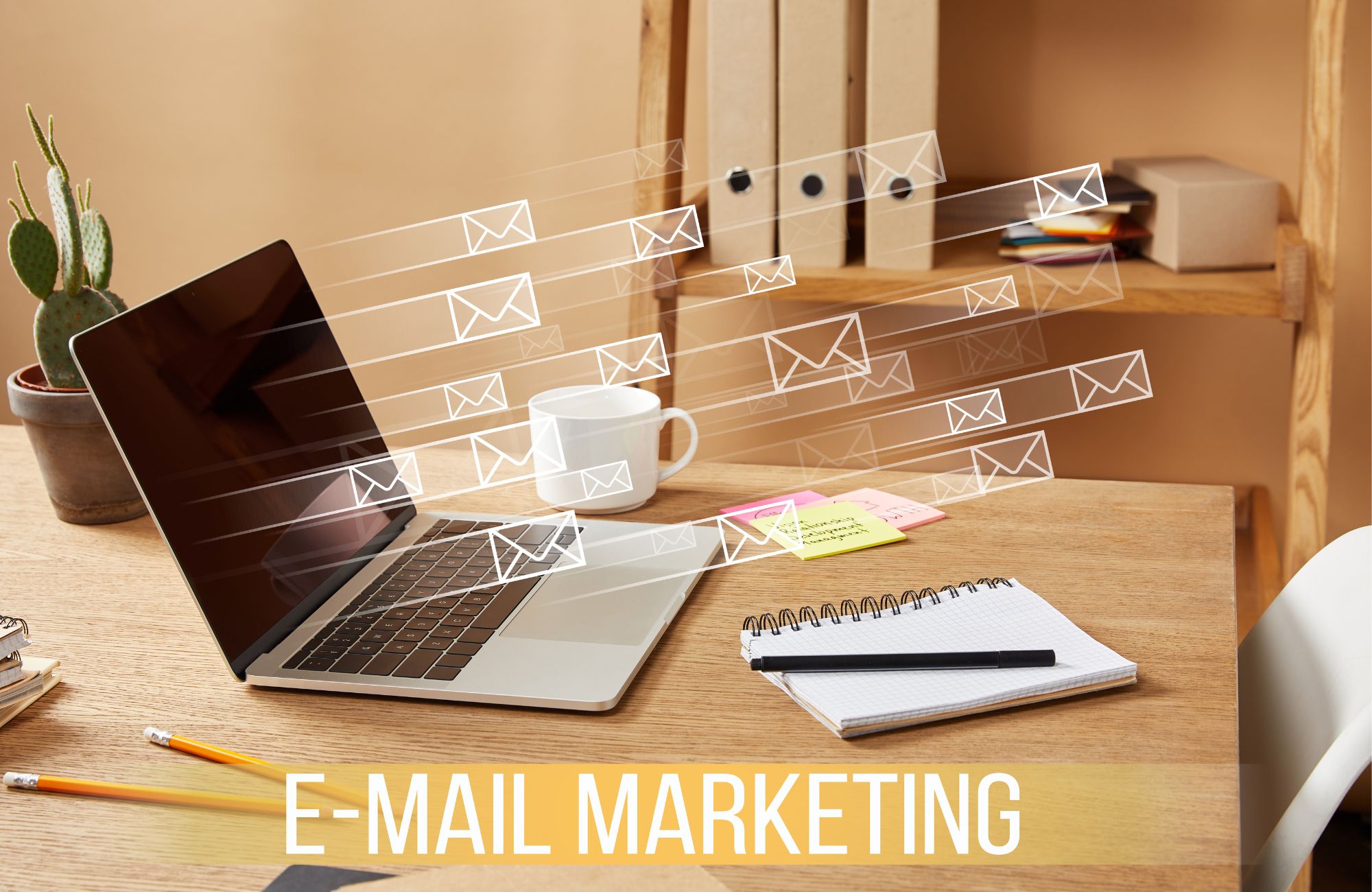
Email marketing remains one of the most reliable growth channels for small businesses. When done right, it turns website visitors into leads, keeps customers engaged, and drives repeat revenue at a cost few other channels can match. Choosing the best email marketing software for small business use often determines whether email becomes a consistent, measurable strategy or just a source of occasional marketing emails.
While most email marketing platforms look similar on the surface, with free plans, drag-and-drop editors, and automation features, the real difference is how well the tool fits your business model and long-term goals. At ChitChat Marketing, we help small businesses nationwide align email marketing with SEO, Google Ads, and conversion-focused websites. If you’re unsure which platform makes sense for your growth plan, working with our small business marketing consultants can help you choose the right tools, avoid unnecessary costs, and improve ROI from day one.
What Is Email Marketing Software for Small Businesses?
Email marketing software is a type of marketing software that helps small businesses create, send, automate, and track email campaigns from one centralized platform. It combines an email editor, contact management, automation workflows, analytics, and email templates to streamline email marketing and make campaigns easier to manage and measure.
Unlike basic email tools, modern email marketing solutions include advanced features such as audience segmentation, landing pages, sign-up forms, website tracking, and transactional emails. These tools allow service-based businesses to automate appointment reminders, follow-ups, review requests, and reactivation campaigns, while ecommerce businesses can promote products, recover abandoned carts, and share company news, turning customer data into consistent, repeat revenue.
What to Look for in the Best Email Marketing Software
Most email marketing platforms advertise all the features, but not every feature matters to every business. The best email marketing software focuses on usability, flexibility, and scalability rather than complexity for its own sake.
Before comparing other platforms, it helps to understand how email marketing fits into your overall marketing strategy. Some businesses need simple newsletters and occasional email campaigns, while others rely heavily on advanced automation workflows tied to lead generation or e-commerce sales.
Key Email Marketing Features That Matter
Strong email marketing software typically includes the following key features:
- A drag-and-drop editor or easy to use editor for building emails quickly
- Email templates and free templates that look professional on all devices
- Automation features for welcome emails, follow-ups, and basic automation
- Audience segmentation based on contact data and behavior
- Analytics to track monthly email performance and engagement
- Integrations with landing pages, website builders, and CRM features
Pricing is equally important. Some email marketing tools charge based on contact count, others on monthly email volume, and some offer unlimited emails on paid plans. Understanding free plan limits and how pricing scales help ensure you choose the right email marketing software without surprises later.
This is where many small businesses struggle. They choose a free tool with a very generous free plan, only to outgrow it quickly. Aligning email marketing features with growth goals early prevents costly migrations between platforms.
Best Email Marketing Software for Small Businesses in 2026
The following platforms consistently rank among the best email marketing platforms because they balance usability, pricing, and advanced marketing automation. Each serves a slightly different type of small business, so the best email marketing service depends on how you plan to use email.
Comparison of Top Email Marketing Platforms
This comparison breaks down the key differences between top email marketing platforms so small businesses can quickly identify the best fit.
| Platform | Best For | Free Plans | Pricing Style |
|---|---|---|---|
| Mailchimp | Beginners, general SMBs | Yes | Contact-based |
| MailerLite | Budget-friendly growth | Yes | Contact-based |
| Brevo | Email + SMS marketing | Yes | Email-volume |
| ActiveCampaign | Advanced automation | No | Contact-based |
| Moosend | Low-cost automation | Yes | Contact-based |
| HubSpot | All-in-one platform | Yes | Tiered |
Mailchimp
Mailchimp remains one of the most recognized names in email marketing. It offers a drag-and-drop email editor, free email marketing software for small lists, and a wide range of email and form templates. The free plan includes basic automation, limited contact data, and access to landing pages.
Mailchimp works well as a starting point, especially for businesses sending newsletters or simple email campaigns. However, paid plans can increase quickly as contact lists grow, which is something to consider if your email marketing efforts scale rapidly.
MailerLite
MailerLite is often considered the best email marketing tool for small businesses that want simplicity and value. It offers a very generous free plan that includes automation workflows, landing page builder tools, sign-up forms, and email templates.
Because MailerLite focuses on core marketing features instead of overwhelming users with options, it’s an excellent choice for service-based businesses that want email marketing software that just works. For many of our clients, this balance makes MailerLite the best free tool to start with before upgrading to paid plans.
Brevo
Brevo stands out by combining email marketing with SMS marketing, web push, and basic CRM features. Its pricing model is based on monthly email volume rather than pricing primarily by contact count, which can be more cost-effective for businesses with large lists.
This platform is especially useful for appointment-based businesses that want to combine marketing emails with text reminders and transactional emails. Brevo’s automation features and visual workflow builder make it a strong choice for businesses that want more than just email.
After helping businesses compare email and SMS together, we often see better engagement when both channels are used strategically rather than in isolation.
ActiveCampaign
ActiveCampaign is designed for small businesses that need sophisticated automation and advanced segmentation. It offers advanced automation workflows, website tracking, CRM features, and powerful marketing automation tools that go beyond basic email marketing.
While it doesn’t offer a free plan, ActiveCampaign excels for businesses with complex funnels, ecommerce businesses, or those combining email marketing with sales automation. It’s one of the best email marketing platforms for scaling operations where customer journeys matter.
Moosend
Moosend is one of the most affordable email marketing tools available, making it popular among small businesses focused on cost control. It includes automation workflows, free email templates, and audience segmentation at a low entry price.
For businesses that want advanced features without paying premium rates, Moosend often competes well with other low-cost platforms offering basic automation
HubSpot
HubSpot offers an all-in-one platform that combines email marketing, CRM features, landing pages, and customer service tools. The free plan includes basic email marketing and contact management, while paid plans unlock advanced marketing automation and reporting. HubSpot works best for businesses that want email marketing tightly connected to sales pipelines and customer service teams, though it may be more than necessary for smaller operations.
Choosing between these platforms often comes down to how email fits into your broader marketing system. When email marketing software is aligned with SEO, paid ads, and conversion tracking, results improve significantly. This alignment is a core focus of how we help small businesses structure sustainable growth.
Best Email Marketing Software by Business Type
Not all small businesses use email in the same way, which is why choosing the best email marketing software for small business use depends heavily on your business model. Service-based businesses often rely on email for appointment reminders, follow-ups, and educational content, while e-commerce businesses focus more on promotions and product-driven automation workflows.
Local service businesses such as dentists, med spas, clinics, and home service providers benefit from email marketing platforms that support basic automation, audience segmentation, and easy integrations without ecommerce complexity. In contrast, e-commerce businesses typically need advanced automation workflows, deeper customer data tracking, and segmentation designed for repeat purchases.
Understanding how email fits into your overall email marketing strategy before choosing a platform helps avoid wasted time, unnecessary costs, and future migrations.
Free vs. Paid Email Marketing Software: What Small Businesses Should Know
Free email marketing services are a smart way to start, but they come with limits. Most free plans restrict monthly email sends, automation workflows, phone support, or branding control. Free plan limits are manageable early on, but growing businesses often need paid plans to maintain deliverability and flexibility.
Paid plans unlock advanced features such as sophisticated automation, advanced segmentation, unlimited users, priority customer service team access, and more robust analytics. The goal isn’t to pay more, it’s to pay for the features that directly support revenue. Understanding when free email marketing stops being effective is just as important as choosing the best email marketing service in the first place.
How to Choose the Right Email Marketing Software
Choosing the right email marketing software starts with clarity. First, define the purpose of your email marketing campaign: lead nurturing, customer retention, or sales. Next, identify which automation features and marketing features support that goal. Finally, evaluate pricing based on how your contact list and email marketing efforts will grow.
Most email marketing platforms offer similar tools, but the difference lies in how well they support your workflow. When email marketing software streamlines communication across channels and integrates with your website and CRM, it becomes a growth engine rather than just another tool.
Choosing the Best Email Marketing Software with the Right Marketing Partner
There is no universal best email marketing software for every small business. The right choice depends on your goals, budget, and how email supports your overall marketing strategy. For small businesses nationwide, email marketing is most effective when it works alongside SEO, paid ads, and a conversion-focused website.
If you want help selecting and implementing the right email marketing software as part of a broader growth plan, ChitChat Marketing provides hands-on guidance built around ROI and transparency. Our small business marketing consultants help companies choose the right tools and turn email into a measurable part of their digital marketing strategy. Contact us to discuss how we can support your growth goals.
FAQs
What are the best free email marketing tools for small businesses?
The best free email marketing tools for small businesses include MailerLite, Mailchimp, Brevo, and Moosend. These platforms offer generous free plans with email templates, automation features, and sign-up forms. Free plans work well for building an audience before upgrading.
Which email marketing software actually works best for small businesses?
The best email marketing software depends on your business goals and resources. For many small businesses, tools like MailerLite and Brevo offer the best balance of cost, features, and usability. Businesses with more complex needs may benefit from platforms like ActiveCampaign.
What is the easiest tool to automate email marketing for small businesses?
MailerLite and Mailchimp are among the easiest tools for automating email marketing. Their visual workflow builders and drag-and-drop editors allow small businesses to create welcome emails and follow-ups without technical expertise.
Is free email marketing software enough for long-term growth?
Free email marketing software is useful early on, but most growing businesses eventually need paid plans. Advanced automation, better reporting, and improved deliverability usually require upgrading as email marketing efforts expand.

Thomas Guardado is a seasoned digital marketing and SEO expert with over a decade of hands-on experience helping brands grow their online presence and dominate search results. Based in Connecticut, he specializes in organic search strategy, technical SEO, content optimization, and data-driven campaigns that turn clicks into customers.


Leave a comment