
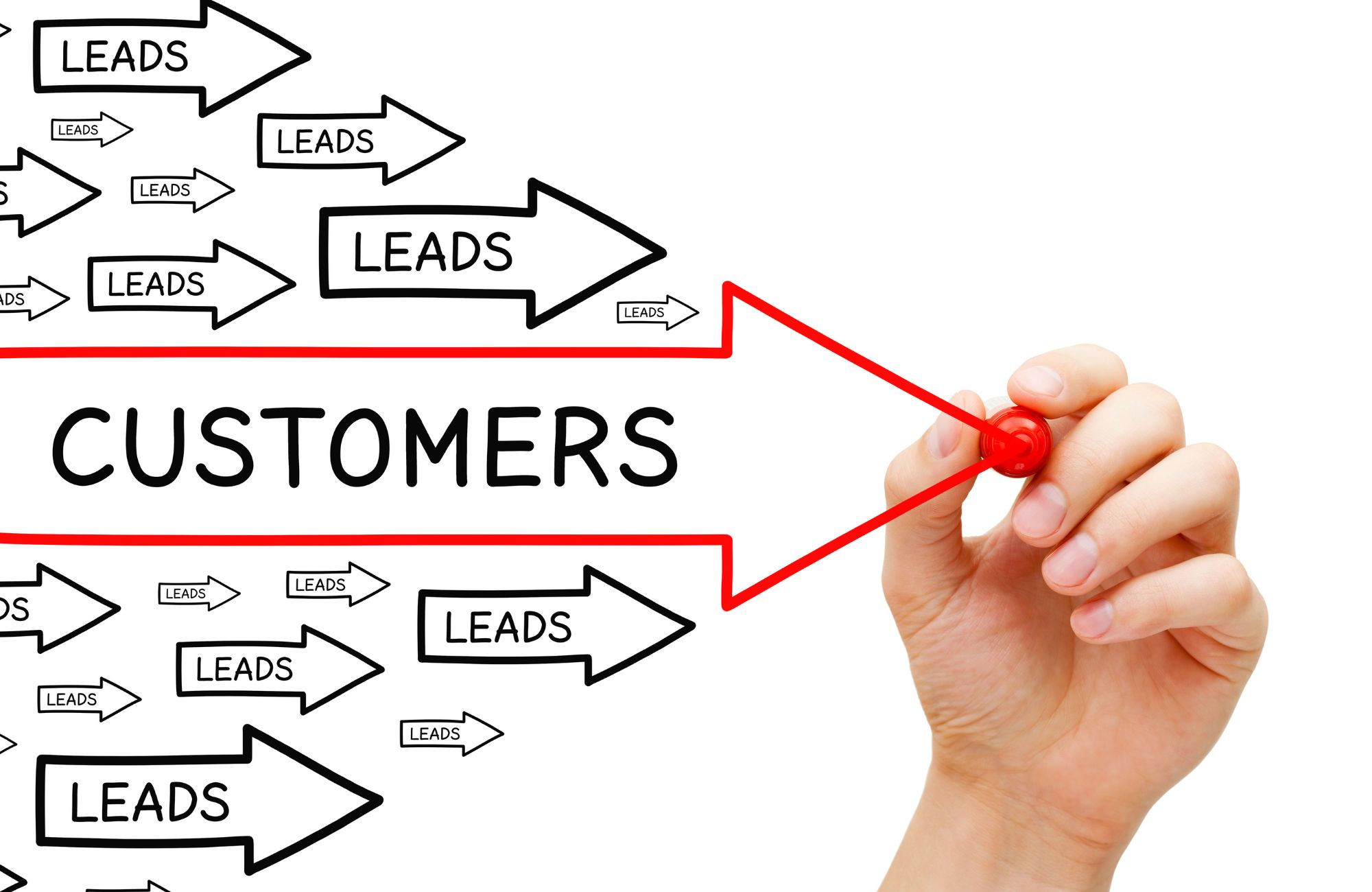
Lead generation strategies for service businesses are marketing methods that help attract potential customers and turn them into qualified leads. Choosing the right approach helps create a more consistent flow of inquiries and supports long-term business growth.
Many business owners struggle with inconsistent lead flow, rising marketing costs, or websites that attract visitors but fail to generate phone calls or quote requests. Without a clear strategy, it’s easy to invest in marketing channels that don’t produce measurable results.
Whether you own an HVAC company, dental practice, law firm, plumbing business, or another local service company, understanding which lead generation strategies fit your goals can help you make better marketing decisions. If you’re unsure where to focus your efforts, ChitChat Marketing can review your current strategy and help identify opportunities to attract more qualified leads.
TL;DR
The best lead generation strategies for service businesses combine long-term visibility with immediate opportunities. Local SEO, Google Business Profile optimization, Google Ads, high-converting landing pages, online reviews, and consistent follow-up all contribute to stronger lead generation. Instead of chasing more website visitors, focus on attracting high-intent inquiries, measuring performance, and improving every step of your sales cycle.
Key Takeaways
| Key Insight | Why It Matters |
| Focus on qualified leads instead of lead volume. | Better lead quality usually results in more paying customers. |
| Combine SEO and paid advertising. | Multiple channels create a more reliable lead generation system. |
| Optimize your website before increasing traffic. | Better conversion rates improve ROI without increasing ad spend. |
| Build trust with reviews and local visibility. | Strong credibility helps potential customers choose your business. |
| Measure every marketing effort. | Tracking leads generated helps improve future decisions. |
What Are Lead Generation Strategies for Service Businesses?
Lead generation strategies for service businesses are methods used to attract potential customers, collect their contact details, and guide them toward becoming paying customers. The most effective strategies combine visibility, trust, and conversion optimization to generate consistent, high-quality leads rather than relying solely on referrals.
Unlike ecommerce businesses that sell products online, most service businesses rely on conversations before making a sale. Customers often request a quote, schedule a consultation, or make a phone call before deciding, so every marketing effort should make those next steps simple.
The buying journey also varies by industry. Someone searching for an emergency plumber may call the first trusted business they find, while a family looking for an ABA therapy provider or a law firm may compare reviews, websites, and services before completing a lead capture form.
Because of these differences, a successful lead generation strategy uses multiple channels to reach potential customers at different stages of the buying process. Combining local SEO, content marketing, online advertising, and other marketing efforts helps create a more reliable source of qualified leads. If your business wants sustainable growth, investing in SEO services alongside other channels provides a stronger long-term foundation than relying only on paid advertising.
Why Service Businesses Need a Different Lead Generation Strategy
Service businesses often compete in local markets where trust plays a major role in purchasing decisions. Before contacting a company, potential leads usually compare online reviews, Google Business Profile listings, websites, pricing, and customer stories.
This means your marketing must build credibility while making it easy for people to contact your business. Strong visibility alone does not produce more leads if visitors cannot quickly find your phone number, complete capture forms, or request an estimate.
Qualified Leads Matter More Than Lead Volume
Generating hundreds of leads means little if few become customers.
A smaller number of qualified prospects can produce better results because your sales team spends less time chasing poor-fit inquiries and can focus on people whose needs, location, budget, and timing align with your services.
Businesses that prioritize lead quality typically see stronger long-term growth because their marketing attracts the right customers instead of simply attracting more traffic.
Which Lead Generation Strategies Deliver the Best Results?
The most effective lead generation strategies for service businesses combine several channels that work together. Local SEO builds long-term visibility, Google Ads creates immediate opportunities, while optimized websites, online reviews, referrals, and follow-up systems help convert website visitors into sales-ready prospects.
No single strategy works for every business. The right mix depends on your industry, competition, budget, and how quickly you need results.
| Strategy | Time to Results | Best For |
| Local SEO | Medium to long term | Sustainable organic growth |
| Google Ads | Immediate | Businesses needing faster lead generation opportunities |
| Google Business Profile | Medium | Improving local search results |
| Website Optimization | Medium | Increasing conversion rates |
| Online Reviews | Ongoing | Building trust and credibility |
| Referral Marketing | Ongoing | Expanding through satisfied customers |
Local SEO Builds Long-Term Lead Generation
Local SEO helps your business appear when nearby customers search for services you offer. Improving your website, targeting localized keywords, and optimizing your Google Business Profile can improve visibility across search engines and local search results. Google’s SEO best practices provide guidance on making content easier for users and search engines to understand.
For example, a Connecticut HVAC company that appears prominently for “AC repair near me” may earn qualified calls without paying for every click, especially when its service pages, Business Profile, reviews, and contact options make it easy for searchers to act.
Businesses that consistently invest in local SEO often reduce their dependence on paid channels while building a steady source of inbound leads. Optimizing your Google Business Profile is another important step because it helps customers discover your business, read reviews, and contact you directly from search results.
Pro Tip: Ranking well means little if your website is difficult to use. Make sure visitors can quickly find your services, contact details, and lead capture form without searching through multiple pages.
Google Ads Captures High-Intent Leads Quickly
Google Ads helps service businesses appear in searches with immediate buying intent. While local SEO builds long-term visibility, paid advertising allows you to reach potential customers who need a service today.
For example, someone searching for “emergency electrician near me” or “same-day water heater repair” is often ready to call rather than spend time researching. Well-managed paid campaigns place your business in front of these high-intent searches.
However, running paid ads alone rarely produces the best results. Your landing page should clearly explain your service, build trust with online reviews or customer stories, and make it easy for visitors to contact you. Without these elements, you may generate clicks without generating potential customers who are more likely to convert.
Businesses should also monitor leads generated, cost per lead, and conversion rates rather than focusing only on clicks. These metrics provide a clearer picture of whether your online advertising is attracting qualified prospects or simply increasing website traffic.
Website Conversion Optimization Turns Traffic Into Customers
Getting people to your website is only half of the lead generation process. Your website also needs to persuade visitors to take action.
A high-performing landing page should clearly explain your product or service, answer common pain points, and guide visitors toward a simple next step. That could be requesting a quote, scheduling a consultation, or making a phone call.
Capture forms should remain short. Asking only for the information needed to begin the conversation can reduce form friction while still giving your team enough context to follow up.
Many businesses improve traffic but overlook conversion improvements. Small updates such as stronger calls to action, faster page speed, and better mobile usability often produce more leads without increasing marketing spend.
Online Reviews and Referrals Build Trust
People rarely choose the first business they find online. Instead, they compare ratings, read reviews, and evaluate credibility before making contact. Positive online reviews help reduce uncertainty. They reassure potential customers that others have already had a good experience with your business. Referral marketing works in a similar way because recommendations from satisfied customers already carry built-in trust.
Encouraging existing customers to leave reviews should be an ongoing part of your lead generation strategy. Recent, authentic reviews help potential customers evaluate your business and add current customer feedback to your Google Business Profile.
Google’s Business Profile optimization guidance also recommends keeping business information complete and accurate so customers can better understand your services, location, and contact details. While reviews alone do not guarantee higher local rankings, they strengthen trust and support a broader local SEO strategy.
For many home service businesses, healthcare providers, and professional services, trust becomes the deciding factor after someone finds your website.
How Do You Choose the Right Lead Generation Strategy for Your Business?
The right lead generation strategy depends on your goals, budget, competition, and timeline. Businesses looking for immediate inquiries often benefit from Google Ads, while those focused on sustainable growth should invest in local SEO, content marketing, and website optimization that continues generating leads over time.
Instead of asking which channel is best, ask which combination supports your business objectives.
If You Need Faster Results
Businesses launching a new location or experiencing seasonal demand often benefit from paid channels.
Google Ads, targeted ads, and paid campaigns can generate new leads quickly because they place your business in front of people actively searching for your services. This approach works particularly well for plumbers, electricians, HVAC companies, and other emergency services.
Keep in mind that paid advertising works best when combined with a strong website and accurate conversion tracking. Google Ads conversion measurement helps businesses define and track valuable actions, such as calls, form submissions, quote requests, and booked consultations.
If You Want Long-Term Growth
Long-term lead generation comes from becoming easier to find and easier to trust.
Investing in local SEO, content marketing, Google Business Profile optimization, and helpful blog post content builds authority over time. Unlike paid campaigns, these assets continue working after they’re published.
For example, a dental practice that regularly publishes educational content and ranks well in local search results may continue attracting inbound leads months after each article is published.
If You Have a Limited Marketing Budget
Small business owners with limited budgets should prioritize strategies that continue producing value over time.
A practical starting point often includes:
- Optimizing your Google Business Profile
- Improving your website
- Publishing helpful content
- Collecting online reviews
- Building a consistent local SEO strategy
Once these foundations are established, you can gradually expand into paid advertising, social media platforms, marketing automation, or additional lead generation services.
The ChitChat Lead Generation Growth Framework
Rather than treating every marketing channel as a separate project, we recommend viewing lead generation as an ongoing system.
| Stage | Primary Goal |
| Build Visibility | Improve visibility through local SEO, search engines, Google Business Profile, and content marketing. |
| Capture Leads | Convert visitors using landing pages, capture forms, and clear calls to action. |
| Nurture Prospects | Build relationships through email marketing, marketing automation, and timely follow-up. |
| Optimize Performance | Measure results, refine campaigns, and improve ROI using real performance data. |
This framework helps businesses avoid jumping between disconnected tactics. Every stage supports the next, creating a more consistent flow of qualified prospects.
A contractor, for example, might attract visitors through SEO, convert them using a strong landing page, follow up with email marketing, and then encourage satisfied customers to leave reviews that generate future lead generation opportunities.
If you’re unsure where your business is losing opportunities, reviewing your overall digital marketing strategy can help identify which stage needs the most attention before increasing your marketing budget.
A common issue is investing heavily in paid advertising before fixing the website experience or follow-up process. Improving those fundamentals often increases conversions without increasing ad spend.
What Mistakes Prevent Service Businesses From Generating More Leads?
Many businesses struggle with lead generation because they focus on getting more traffic instead of improving how visitors become customers. Weak conversion paths, inconsistent follow-up, poor tracking, and reliance on one marketing channel often limit results even when marketing campaigns generate significant website traffic.
Common Lead Generation Mistakes
Some of the most common issues include:
- Relying on only one lead source
- Ignoring local SEO
- Not optimizing a Google Business Profile
- Sending paid traffic to weak landing pages
- Using long or confusing lead capture forms
- Failing to respond to inquiries quickly
- Not tracking leads generated or conversion rates
- Ignoring online reviews
- Creating content without understanding the target audience
These mistakes increase marketing costs while reducing lead quality.
Lead Leakage Checklist
Before increasing your marketing budget, review whether your business is losing leads because of avoidable problems.
- Is your phone number visible on every important page?
- Can visitors contact you in less than one minute?
- Do capture forms ask only for essential information?
- Are Google Ads conversions being tracked?
- Are online reviews current and easy to find?
- Do sales reps follow up with warm leads promptly?
- Are past customers encouraged to leave reviews or refer others?
Pro Tip: One mistake many businesses make is assuming lead generation ends when someone submits a form. Fast follow-up often determines whether a warm lead becomes a paying customer or contacts a competitor instead.
An ABA therapy provider, for example, may receive several inquiries each week. For time-sensitive services, responding quickly and providing a clear next step can increase the likelihood of speaking with a prospect before they contact another business. Track response time alongside booked appointments and closed revenue to understand its impact on your business.
How Should You Measure the Success of Your Lead Generation Strategy?
A successful marketing approach is measured by business outcomes rather than website traffic alone. Tracking qualified leads, conversion rates, cost per lead, customer acquisition cost, and revenue helps you understand which marketing efforts are producing real business growth and which need improvement.
Many businesses celebrate higher traffic while overlooking whether that traffic eventually leads to paying customers. Instead, focus on metrics that directly support business development.
Metrics That Matter Most
Monitor these key performance indicators regularly:
- Qualified leads
- Leads generated by each marketing channel
- Conversion rate
- Cost per lead
- Customer acquisition cost (CAC)
- Phone calls
- Contact form submissions
- Booked consultations
- Revenue generated by each campaign
These metrics provide a clearer picture than page views or impressions alone. They also help your sales team identify which lead generation opportunities produce the highest-quality prospects.
For example, one marketing channel may produce fewer new leads than another but deliver significantly higher lead quality. Those qualified prospects often close faster and require less effort from sales reps.
Using tools such as Google Analytics 4, Google Search Console, and proper call tracking can help connect your marketing efforts to measurable business outcomes. Google Analytics reporting guidance can help businesses review user activity and evaluate which channels contribute to leads, conversions, and revenue.
If you’re investing in SEO, learning how to measure SEO ROI makes it easier to evaluate long-term performance and justify future investments.
Don’t Focus Only on These Metrics
Some marketing metrics look impressive but don’t always reflect business growth.
Avoid judging success based only on:
- Website traffic
- Impressions
- Social media likes
- Unqualified form submissions
Instead, prioritize better-fit prospects, booked consultations, closed sales, customer acquisition cost, and return on investment.
Why Continuous Optimization Matters
Lead generation is not a one-time project.
Search behavior changes. Competition increases. Customer expectations evolve. Businesses that review their performance regularly can identify new opportunities before competitors do.
A plumbing company, for example, might notice that one service page consistently generates phone calls while another receives traffic but few inquiries. That insight allows the business to improve content, calls to action, or page design instead of increasing advertising spend.
Reviewing your strategy every quarter helps ensure your lead generation process continues supporting business growth.
My Honest Take on Lead Generation Strategies for Service Businesses
A common lead generation problem is increasing website traffic before improving conversion paths, response processes, and performance tracking. If visitors cannot quickly request a quote, make a phone call, or receive a timely follow-up, additional traffic may increase marketing costs without increasing revenue.
Relying on one channel also creates unnecessary risk. Paid advertising budgets can fluctuate, referrals may slow down, and social media reach changes over time. Businesses generally build more consistent demand by combining local SEO, Google Ads, website optimization, customer reviews, and ongoing measurement.
The strongest lead generation systems focus on continuous improvement rather than chasing every new marketing trend. Measuring qualified leads, conversion rates, and customer acquisition costs provides better guidance than focusing on traffic alone.
Conclusion
The most effective lead generation strategies for service businesses combine visibility, trust, and conversion optimization. Instead of relying on a single marketing channel, focus on attracting qualified leads through local SEO, Google Business Profile optimization, paid advertising, content marketing, strong landing pages, and ongoing performance measurement. Consistently improving these areas helps generate sustainable business growth over time.
A stronger lead generation system starts by identifying where prospects drop off, whether that’s visibility, conversion, follow-up, or measurement. ChitChat Marketing helps service businesses evaluate each stage through SEO, Google Ads, landing page optimization, and AI search visibility so they can focus on attracting more qualified customers. If you’re ready to strengthen your lead generation strategy, schedule a consultation with ChitChat Marketing to identify your next growth opportunities.
FAQs
How long does it take to see results from lead generation strategies?
Lead generation strategies produce results at different speeds. Google Ads can generate inquiries within days, while local SEO and content marketing often take several months to build consistent organic visibility. Combining both approaches usually creates the best balance between short-term and long-term growth.
What is the difference between lead generation and lead nurturing?
Lead generation attracts potential customers, while lead nurturing builds relationships after someone expresses interest. Businesses that combine both processes often convert more qualified prospects into paying customers because they continue engaging leads throughout the sales cycle.
Can small businesses compete with larger companies for leads?
Yes. Small businesses can compete by focusing on local SEO, customer service, online reviews, and specialized services. Building authority within a local market often produces stronger results than trying to compete nationally.
Which lead generation tools are most useful for service businesses?
The best lead generation tools depend on your goals. Most service businesses benefit from Google Analytics 4, Google Search Console, Google Business Profile, CRM software, call tracking, and marketing automation platforms that help manage leads and measure campaign performance.
Why is Google Business Profile important for lead generation?
Google Business Profile improves visibility in local search results and Google Maps. A complete profile with accurate business information, recent reviews, and updated photos helps potential customers find your business and contact you more easily.
Recommended Articles
- Is SEO Worth It for Small Business?
- How to Measure SEO ROI
- How to Optimize Google Business Profile
- How to Create Landing Pages That Convert

Thomas Guardado is a seasoned digital marketing and SEO expert with over a decade of hands-on experience helping brands grow their online presence and dominate search results. Based in Connecticut, he specializes in organic search strategy, technical SEO, content optimization, and data-driven campaigns that turn clicks into customers.


Leave a comment